
Factory and contact
Inspection address, supplier city, on-site contact, phone or messaging details, and site access constraints.
How to book a pre-shipment inspection
Start with the supplier location, goods status, buyer files, and target date so the visit can be scheduled around the real order.
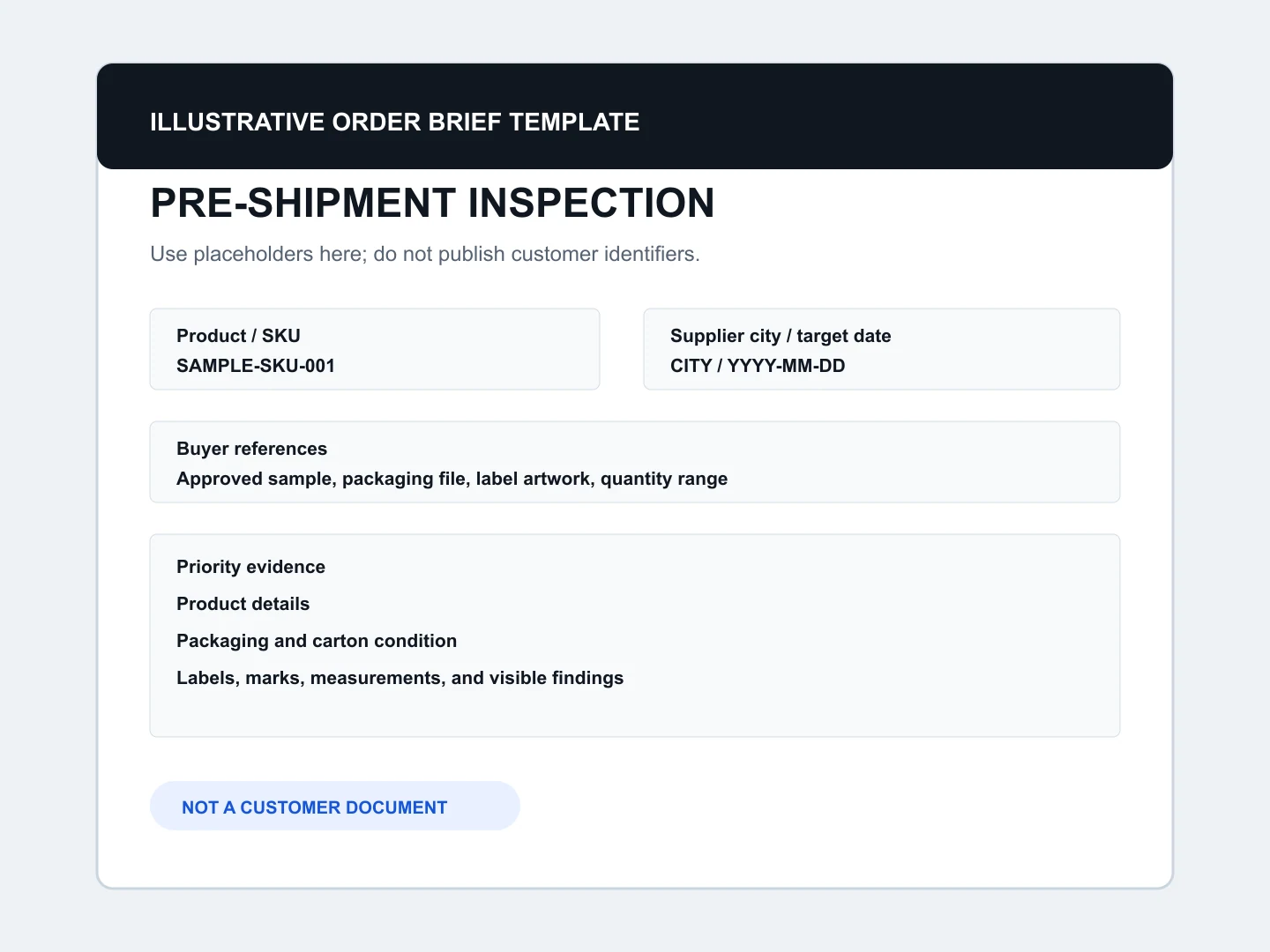
Booking readiness
A booking works when the factory, goods, files, and shipment timing describe the same order. Unknown details should be surfaced early instead of discovered on site.
Inspection address, supplier city, on-site contact, phone or messaging details, and site access constraints.
Production progress, finished quantity, packed quantity, available cartons, and any batch split relevant to the visit.
Product specification, approved sample notes, listing, packaging file, labels, barcodes, and concern points.
Requested inspection date, target shipment date, correction window, and the buyer contact who will review the result.
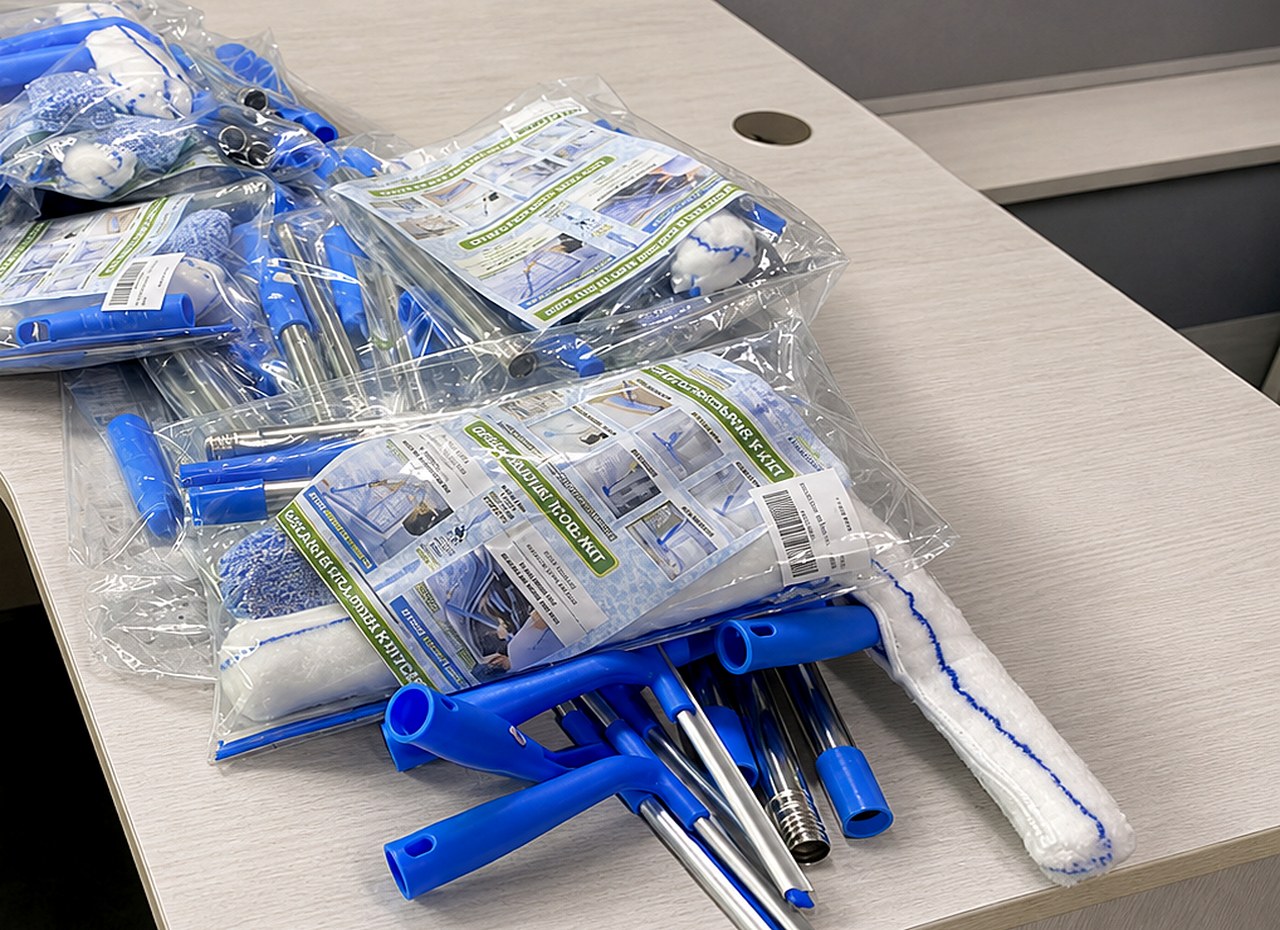
The usable order brief
Files should identify what to compare, which version is approved, and what evidence the buyer needs. A long message without product references is harder to turn into a field checklist.
Booking route
Each step removes a different scheduling risk. The visit is ready when the factory can provide access and the inspector has the buyer references needed for comparison.
Send the product, quantity, supplier city, production status, target date, and buyer priorities.
Align the address, supplier contact, goods readiness, and workable time before shipment.
Provide usable product, packaging, label, barcode, sampling, and evidence references.
The supplier provides access to the agreed goods and the visit follows the confirmed order context.
Who confirms what
Clear ownership prevents last-minute confusion. Booking the date does not replace the buyer's references or the supplier's responsibility to make the correct goods accessible.
Defines the order, sends the applicable files, identifies priorities, and keeps the final commercial decision.
Confirms the site, contact, goods readiness, batch access, and any limits that affect the planned visit.
Confirms the workable visit context, turns usable references into checks, and records accessible findings.
Avoid booking delays
These are operational blockers rather than inspection findings. Clearing them before arrival protects the inspection window and the buyer's remaining decision time.
The actual inspection site and on-site contact are still missing or different from the order information.
The batch is unfinished, stored elsewhere, not packed as expected, or unavailable for the planned sampling context.
Product, packaging, label, or barcode references change after the field checklist has already been prepared.
The requested visit is too close to dispatch for the buyer to review findings or discuss correction with the supplier.
Booking FAQ
Share the supplier city and site, product and order details, production status, target shipment date, and the files that define the product, packaging, labels, and priority evidence.
Yes. The supplier should confirm the inspection address, on-site contact, production status, finished-goods availability, and any access constraints before the visit is scheduled.
A date can be discussed, but the usable checklist and buyer references should be settled before the inspector arrives. Late files can change the scope or leave requirements unavailable for comparison.
Common delays include an unconfirmed factory address, goods that are not ready, missing buyer files, an unavailable supplier contact, or a shipment date that leaves no workable inspection window.
Continue the order route
Review the service scope, sampling context, evidence, and decision boundaries.
02 Inspection checklistPrepare the product, packaging, label, carton, and evidence checks.
03 Inspection costSee which order and visit details are needed to discuss the inspection cost.
04 Reports and evidenceUnderstand the visible findings, photos, video, and English notes used after the visit.
Ready to request a date