
Before the visit
Share the packing list, carton marks, container booking context, supplier contact, and any photos that show how cartons should be staged.
Container loading supervision in China
Use a clear, order-specific record for visible carton condition, loading sequence, seal details, and the evidence your team needs before release.
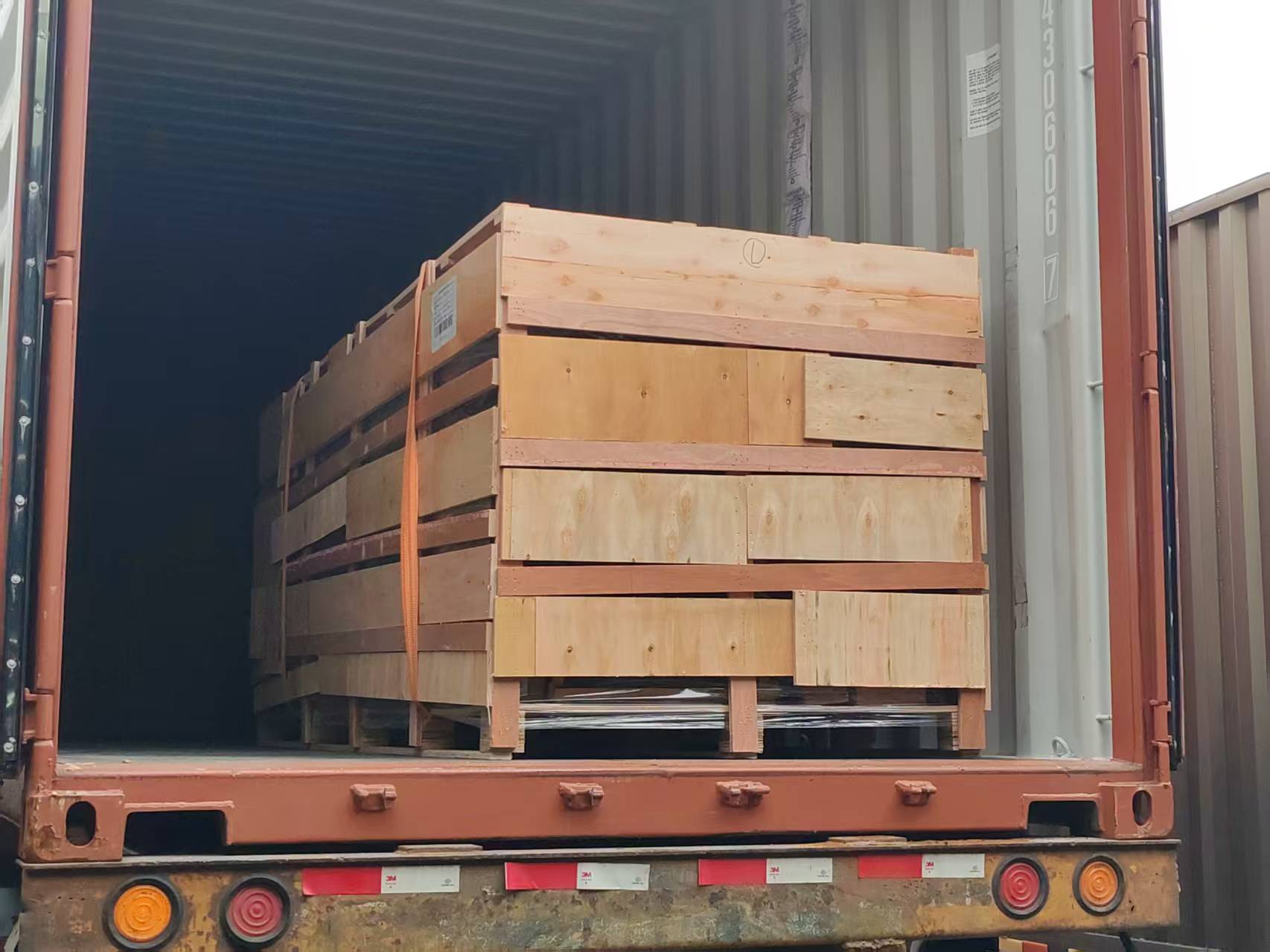
Loading route
Loading supervision records the final handling stage. It works best when the buyer also understands the broader service route, pre-shipment scope, and company boundary.
Compare loading with product, supplier, packaging, and ecommerce inspection routes.
→ 02 Pre-shipment inspectionUse before loading when finished goods and carton contents still need visible review.
→ 03 Container loading checklistPrepare carton marks, loading sequence, seal reference, and accessible count priorities.
→ 04 About X InspectionCheck the service boundary before treating loading evidence as a release decision.
→Inspection lens
Loading supervision is most useful when the buyer defines which cartons, marks, quantities, and sealing points need to be visible in the record.
Business content
Container loading moves quickly, so the page now gives buyers a more concrete view of the files, site observations, and shipment evidence that should be agreed before the truck arrives.
Share the packing list, carton marks, container booking context, supplier contact, and any photos that show how cartons should be staged.
Record visible carton condition, accessible counts, the order cartons enter the container, and any handling issue that affects the buyer's release decision.
Capture the seal reference, final container view, and practical notes that help the buyer compare the loading record with the shipment documents.
Use the loading page to align the shipment documents with what can be seen at the site before the seal is applied.
Photograph carton marks, visible condition, pallet or floor staging, and the order references that connect the cartons to the shipment.
Capture accessible interior condition, obvious moisture or damage concerns, and any handling condition the buyer asked to document.
Note the order cartons enter the container, visible stacking or handling issues, and any practical limit on counts once cartons are inside.
Return the final container view, seal reference, and notes that help the buyer compare the record with logistics paperwork.
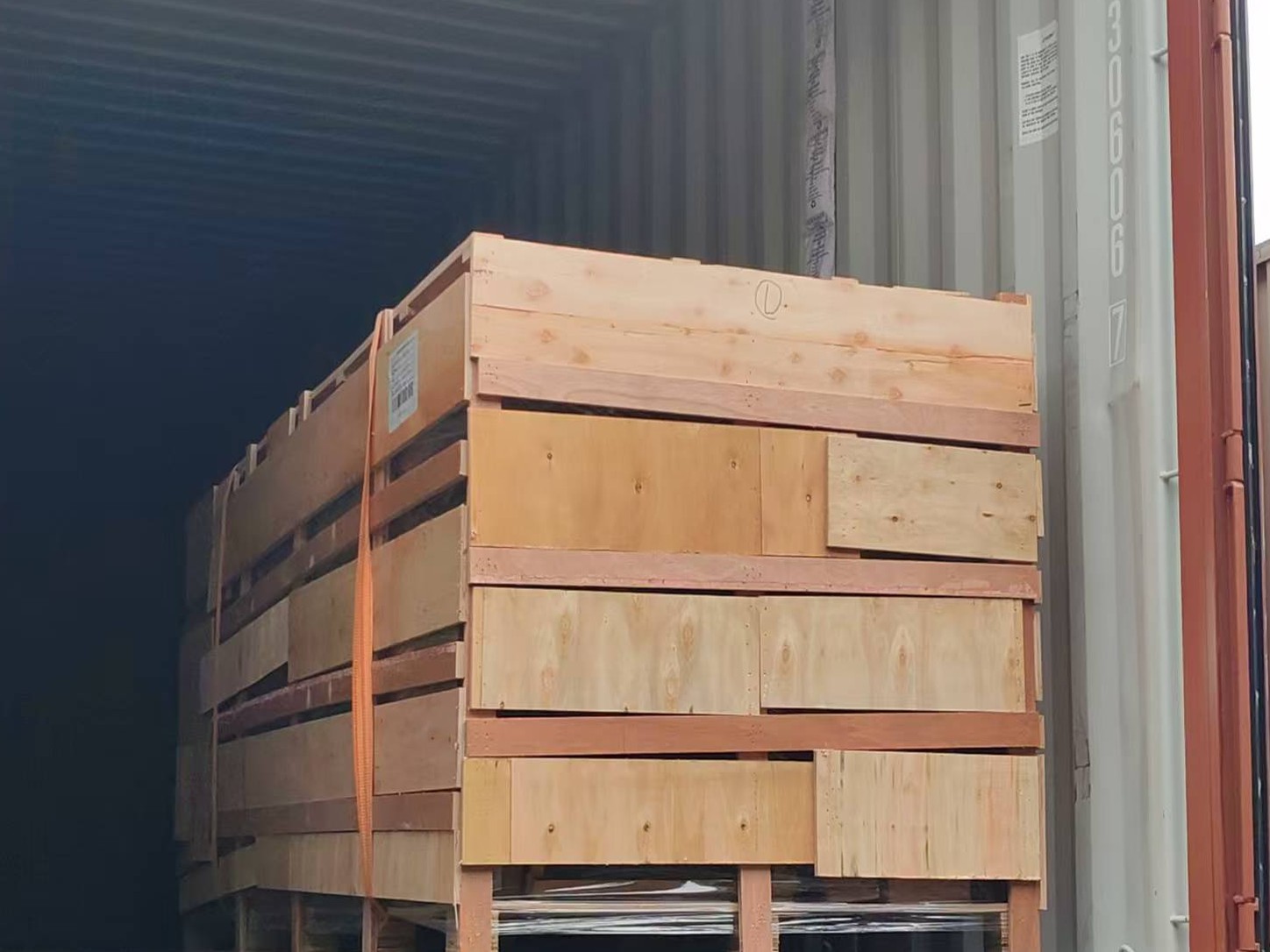
Evidence before assumptions
Use product references, supplier context, accessible conditions, and buyer-defined priorities to decide what should be documented on site. Keep observations separate from assumptions, certification claims, or marketplace approval promises.
See how reports and evidence connectLoading chronology
Confirm the loading site, container, and agreed inspection window before cartons move.
Record accessible carton marks, visible condition, and the agreed count checkpoints.
Document the visible loading sequence and agreed observations as cartons enter the container.
Capture the seal reference and final shipment handoff evidence before release.
Continue the route
Match the buyer situation to a practical inspection route.
→ 02 Pre-shipment inspectionReview finished goods before cartons leave the factory.
→ 03 Container loading checklistAgree the loading evidence plan before the visit.
→ 04 About X InspectionUnderstand the evidence-first X Inspection approach.
→