
Carton staging
Confirm which carton marks, order references, and visible carton conditions should be photographed before loading starts.
Container loading supervision checklist
A practical loading checklist keeps the site visit focused on the carton condition, loading order, accessible counts, container observations, and seal evidence that matter to the shipment handoff.
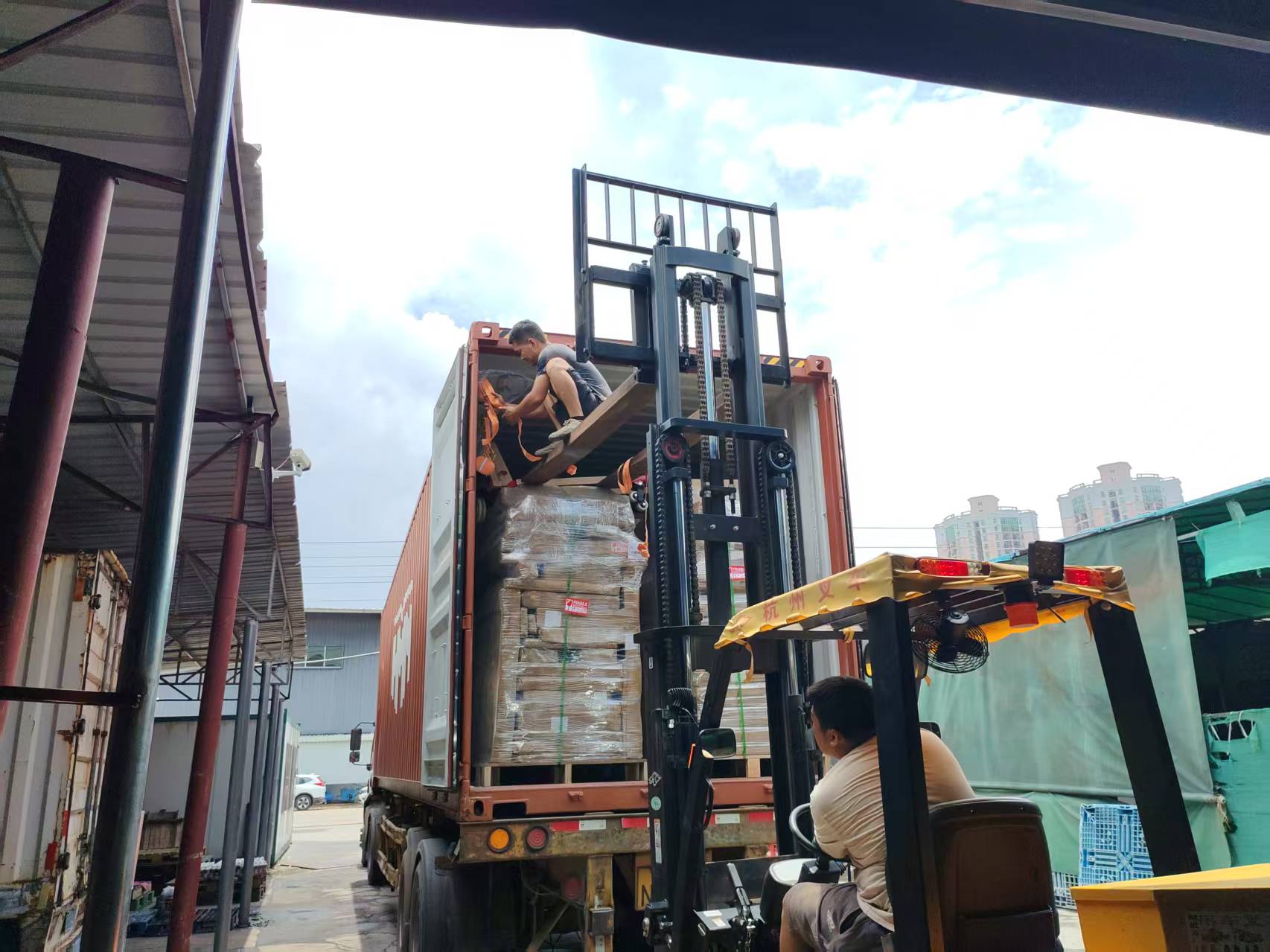
Loading checklist route
The checklist prepares the record. The service page explains the visit boundary, and the full service overview helps buyers choose whether loading is enough for the order stage.
Document visible carton condition, loading sequence, and seal handoff evidence.
→ 02 All inspection servicesCompare loading supervision with other inspection moments.
→ 03 Pre-shipment inspectionReview finished goods before cartons become harder to inspect.
→ 04 About X InspectionUnderstand the third-party service boundary before booking.
→Inspection lens
Loading can move quickly. The most useful visits are guided by an agreed evidence plan before cartons are being moved and the container is sealed.
Business content
The checklist is now written around real loading supervision moments, so buyers can decide what must be photographed, counted, and noted while cartons are still accessible.
Confirm which carton marks, order references, and visible carton conditions should be photographed before loading starts.
Review accessible container condition, loading sequence, and any visible handling issue that needs a buyer note.
Document the seal reference and final handoff evidence so the buyer can compare the inspection record with logistics documents.
Loading moves fast. The checklist should decide ahead of time what must be recorded before cartons become inaccessible.
Packing list, carton marks, staged quantity, and exterior condition should be clear before cartons move.
Capture accessible sequence, stacking, handling, and any condition the buyer asked the inspector to watch.
Photograph final loading state, seal reference, and handoff notes that connect to logistics documents.
Once cartons are inside the container, full counts or inner checks may no longer be visible. The report should say that plainly.
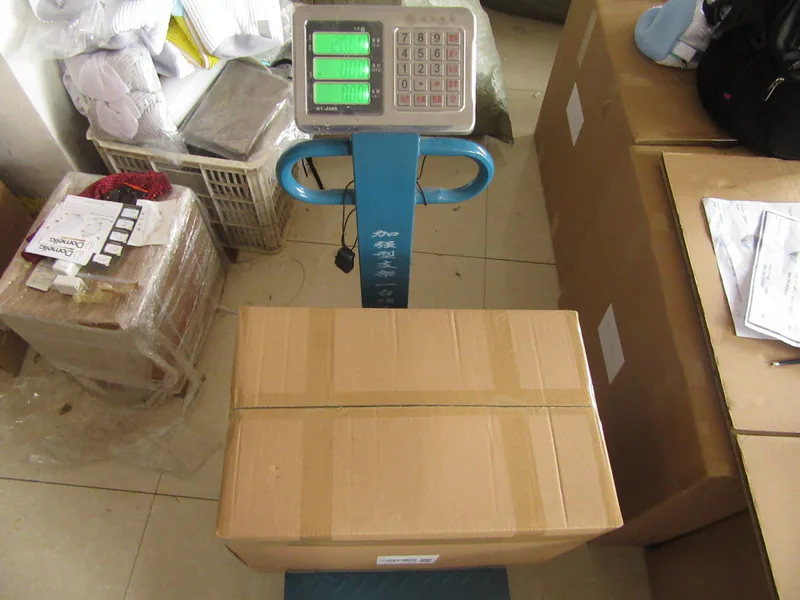
Evidence before assumptions
Use product references, supplier context, accessible conditions, and buyer-defined priorities to decide what should be documented on site. Keep observations separate from assumptions, certification claims, or marketplace approval promises.
See how reports and evidence connectWorkflow connection
Share the product, supplier, timing, and questions that define the visit.
Agree what can be reviewed visibly and which requirements are part of the inspection.
Capture accessible product, packaging, label, or field observations.
Use the English record to guide release, correction, follow-up, or the next visit.
Continue the route
Document the agreed shipment loading observations.
→ 02 All inspection servicesMatch the buyer situation to a practical inspection route.
→ 03 Pre-shipment inspectionReview finished goods before cartons leave the factory.
→ 04 About X InspectionUnderstand the evidence-first X Inspection approach.
→