
Product identity
SKU, model, variation, color, pack count, order quantity, approved reference, and visible product match.
Pre-shipment inspection checklist
Turn the purchase order, approved references, packaging files, labels, and buyer concerns into checks that can be completed and reviewed before shipment.
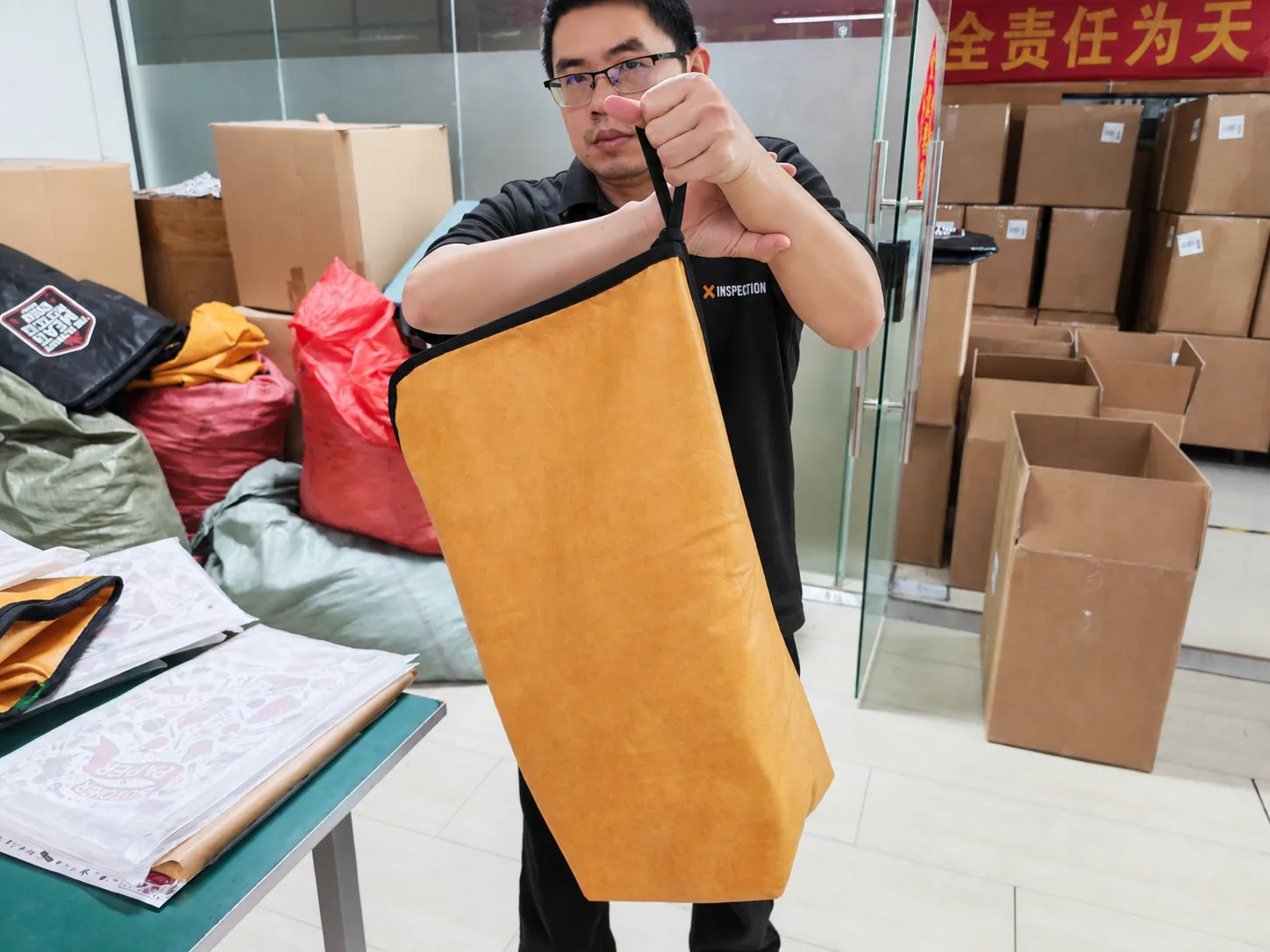
Core checklist categories
These categories organize the visit. The actual comparison points, tolerances, sample context, and evidence priorities should follow the buyer's order and accessible goods.
SKU, model, variation, color, pack count, order quantity, approved reference, and visible product match.
Finish, assembly, accessible functions, dimensions, accessories, and buyer-defined concern points.
Retail box, protection, inserts, instructions, presentation, accessory placement, and visible packaging condition.
Placement, content, warnings, barcode visibility, SKU or FNSKU reference, country marking, and orientation.
Carton count, packing quantity, marks, dimensions, accessible weight checks, sealing, and visible transport condition.
Required views, known supplier issues, measurements, defect context, live questions, and report-ready notes.
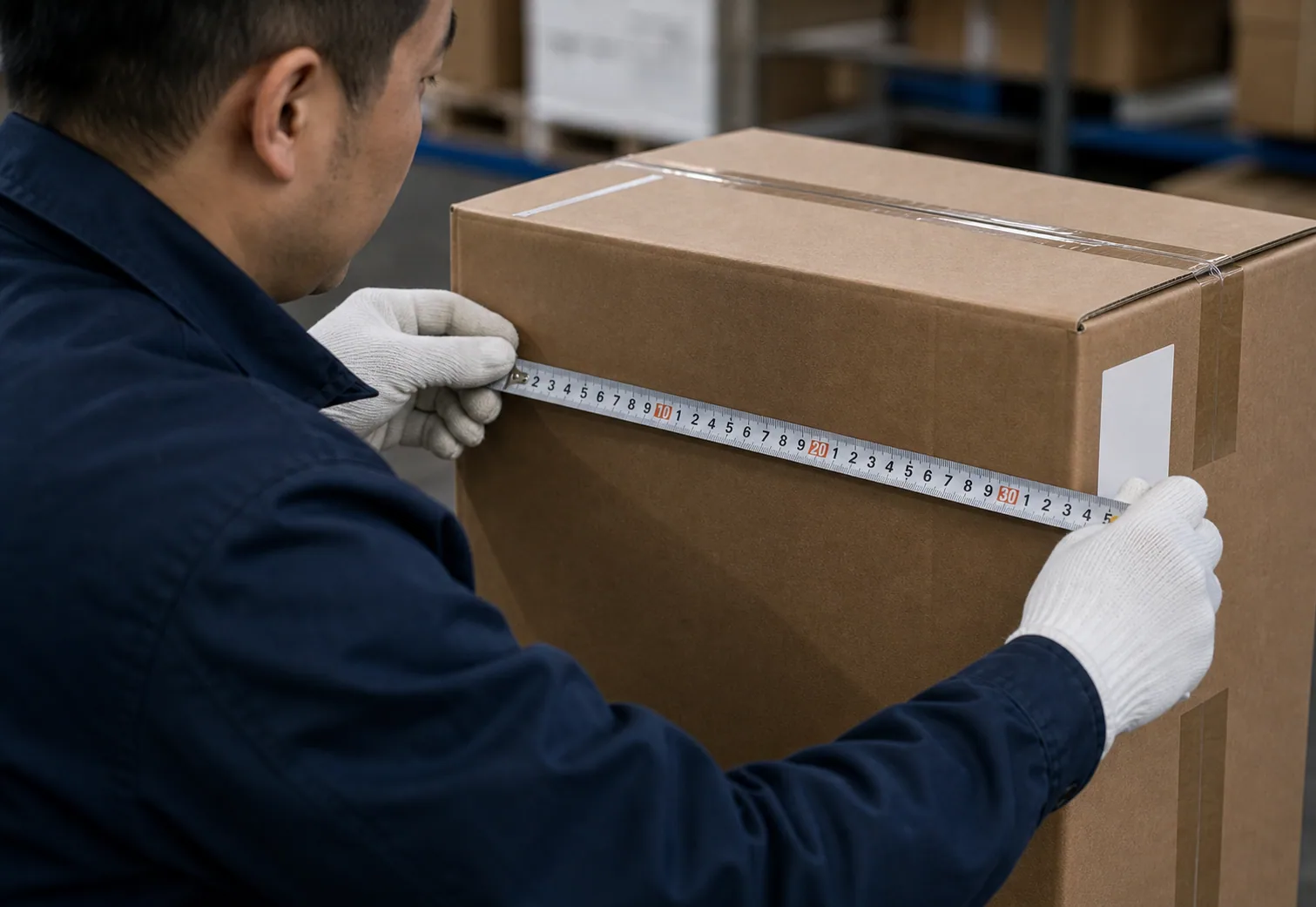
Make checks reviewable
A useful checklist does more than name a topic. It tells the inspector what reference applies, what can be observed or measured, and what the buyer needs to see afterward.
Checklist evidence
Evidence should connect the recorded result to the relevant product, package, label, or carton. A close-up without context can be difficult for a remote buyer to interpret.

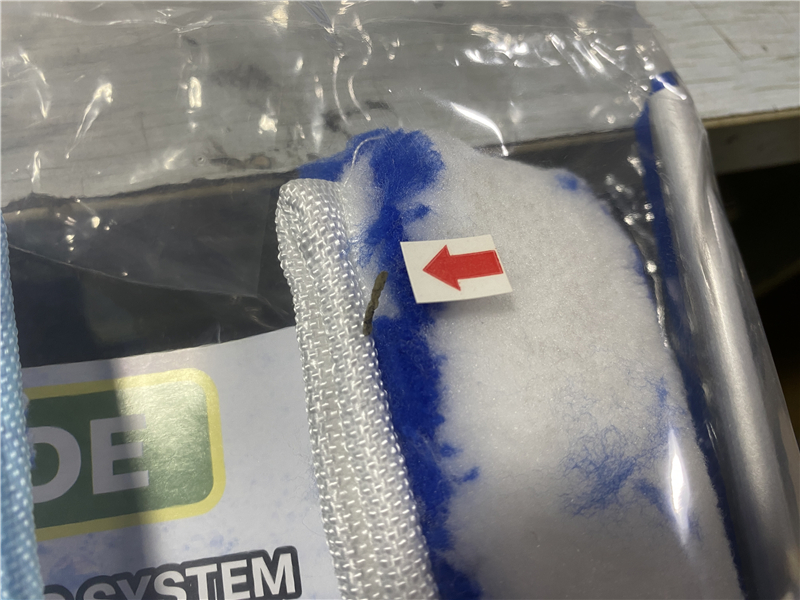 Product detail and visible workmanship
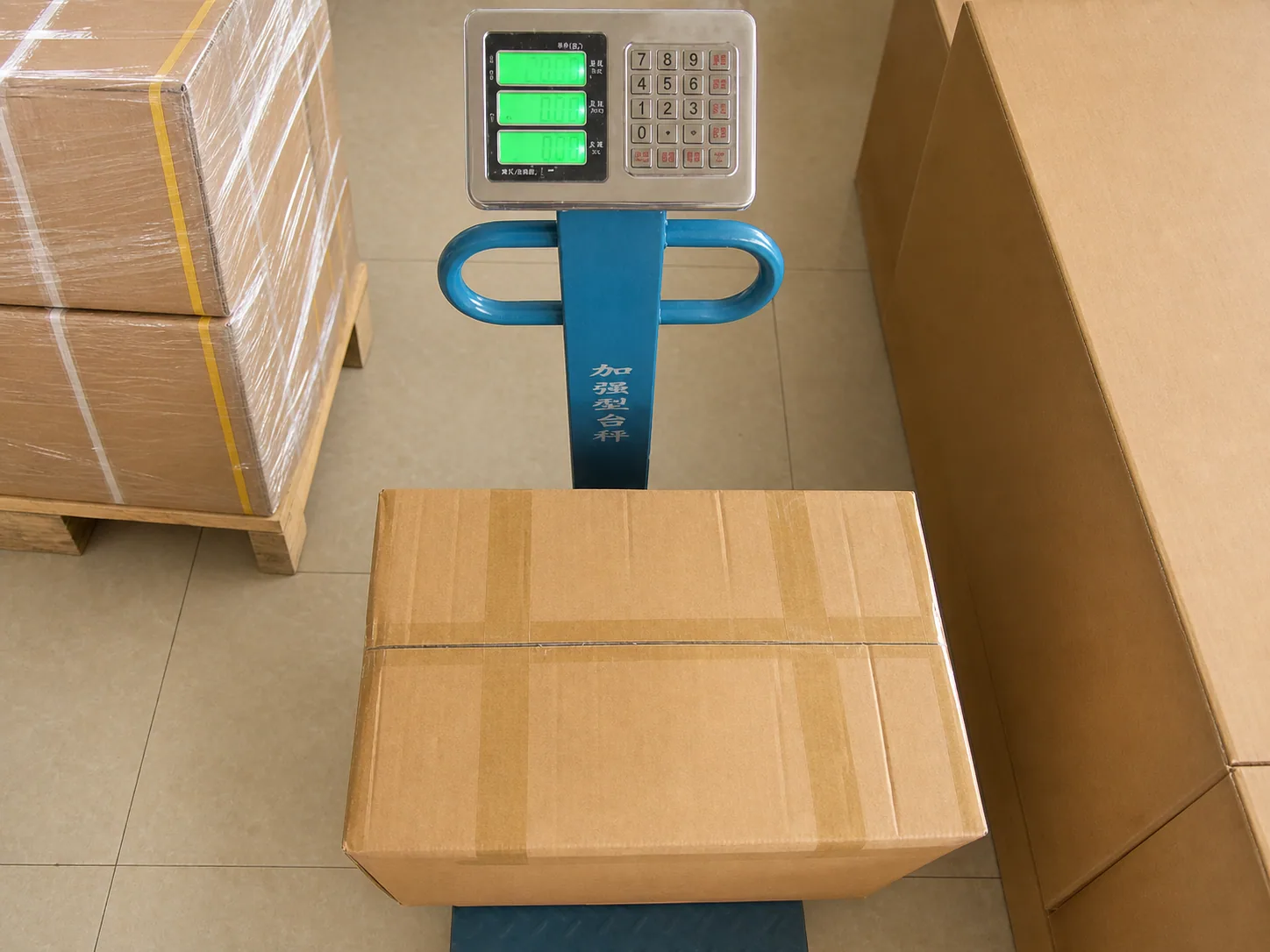 Measurement and quantity evidence
Three review moments
The document starts as a preparation tool, guides the accessible field checks, and then helps the buyer review whether the evidence answers the order questions.
Confirm the correct order references, priorities, sampling context, required views, and known supplier issues.
Compare accessible goods, packaging, labels, cartons, and quantities while recording context and visible findings.
Check whether the report answers the buyer's priority questions and identify anything requiring correction or reinspection.
Checklist boundary
The checklist records observations and buyer-defined comparisons possible during the agreed visit. Product claims that require laboratory equipment, certification, or marketplace approval remain separate.
Finished-goods comparison, visible workmanship, accessible functions, packaging, labels, cartons, quantities, and evidence.
Sampling context, tolerances, destructive checks, special equipment, sealed goods, and site-access limitations.
Laboratory conclusions, certification, regulatory approval, marketplace approval, and the buyer's final release decision.
Checklist FAQ
Base it on the purchase order, product specification, approved sample notes, packaging files, label and barcode references, known supplier issues, and the evidence the buyer needs for a shipment decision.
No. Core categories can stay consistent, but the functions, dimensions, accessories, packaging details, warnings, and buyer-sensitive concern points should follow the actual SKU and order.
AQL can support sample selection and defect classification where appropriate. The checklist still needs order-specific comparison points for the product, packaging, labels, cartons, and evidence.
No. A field checklist records accessible observations and buyer-defined checks during the visit. Laboratory testing, certification, and marketplace approval remain separate requirements.
Deeper guidance
See how the checklist fits the finished-goods service and shipment decision.
02 How to bookPrepare the supplier city, goods status, buyer files, and inspection window.
03 AQL and samplingReview how sampling and defect classification can support the agreed plan.
04 Packaging and labelsGo deeper on retail packaging, warnings, barcodes, labels, and carton marks.
05 Reports and evidenceSee how visible findings, photos, video, and English notes support review.
06 Live video inspectionJoin agreed checklist points while the inspector has access to the goods.
From checklist to visit