
Inspection boundary
What product, package, label, supplier site, and order stage can actually be reviewed?
Choosing an inspection company in China
A useful inspection partner should explain what can be checked, what buyer files are still missing, and how the findings will be presented before you commit to a visit.
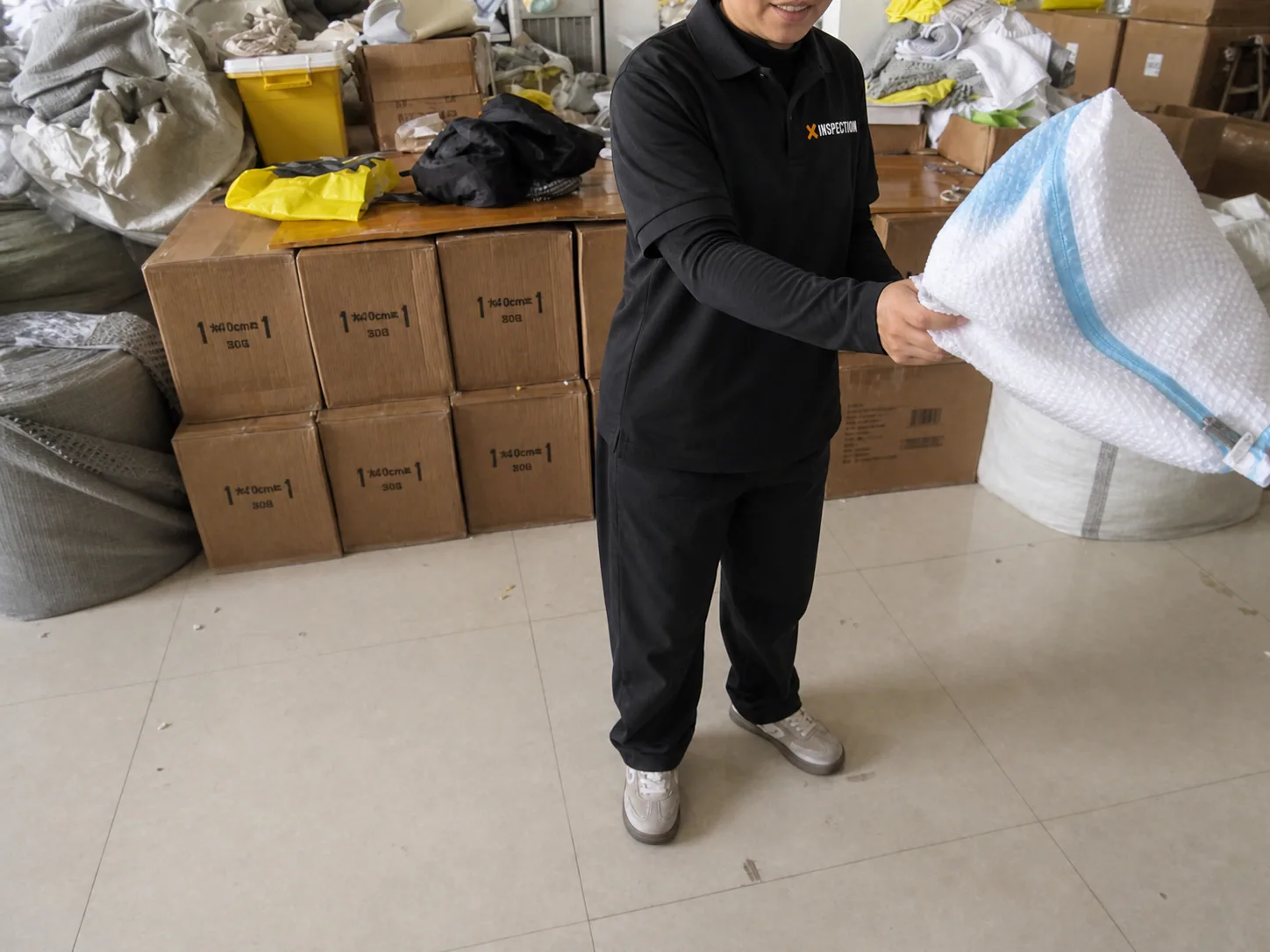
Selection criteria
The goal is not to find a generic promise of quality control. The goal is to know whether this partner can turn your order context into visible inspection evidence.
What product, package, label, supplier site, and order stage can actually be reviewed?
What listing, packaging file, barcode rule, sample, or requirement must you send first?
Will the report connect each visible finding to photos, notes, and practical next steps?
If a point does not match, how will you discuss correction, re-checking, or shipment release?
Proof signals
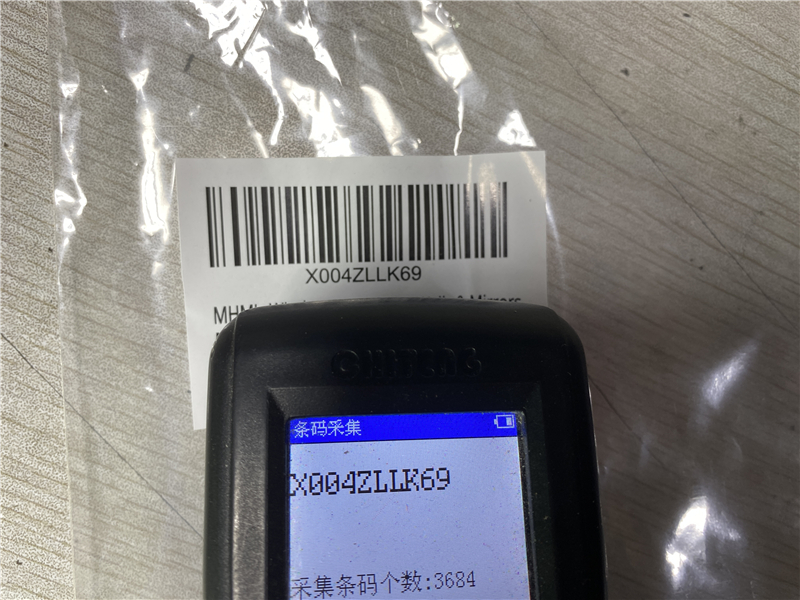
Questions to ask
Use these questions before requesting a quote. They help separate a broad inspection claim from a visit that can answer your real order decision.
Which order stage is available now: sample, production, finished goods, loading, or rework?
Which customer-facing points matter most: product, packaging, labels, barcode, or carton marks?
What files should be used as the reference for the inspection checklist?
What photo or video evidence will help your team decide the next supplier action?
What is outside the inspection boundary and needs testing, certification, or platform review?


Fit boundary
Product appearance, workmanship, packaging, labels, carton details, production stage, loading conditions, and photo or video evidence tied to your buyer files.
Laboratory testing, legal certification, customs approval, marketplace approval, or guarantees about future sales and platform acceptance.
Continue the route
Match the buyer decision to the right inspection stage.
02 Reports and evidenceSee how scope, finding, photo, and next step connect.
03 Packaging and labelsCompare customer-facing requirements against visible evidence.
04 Share an order briefSend product, supplier, timing, and evidence priorities for scoping.