
Buyer inputs
Share product references, supplier city, order stage, packaging files, labels, and the specific decision your team needs to make after the visit.
AQL inspection chart
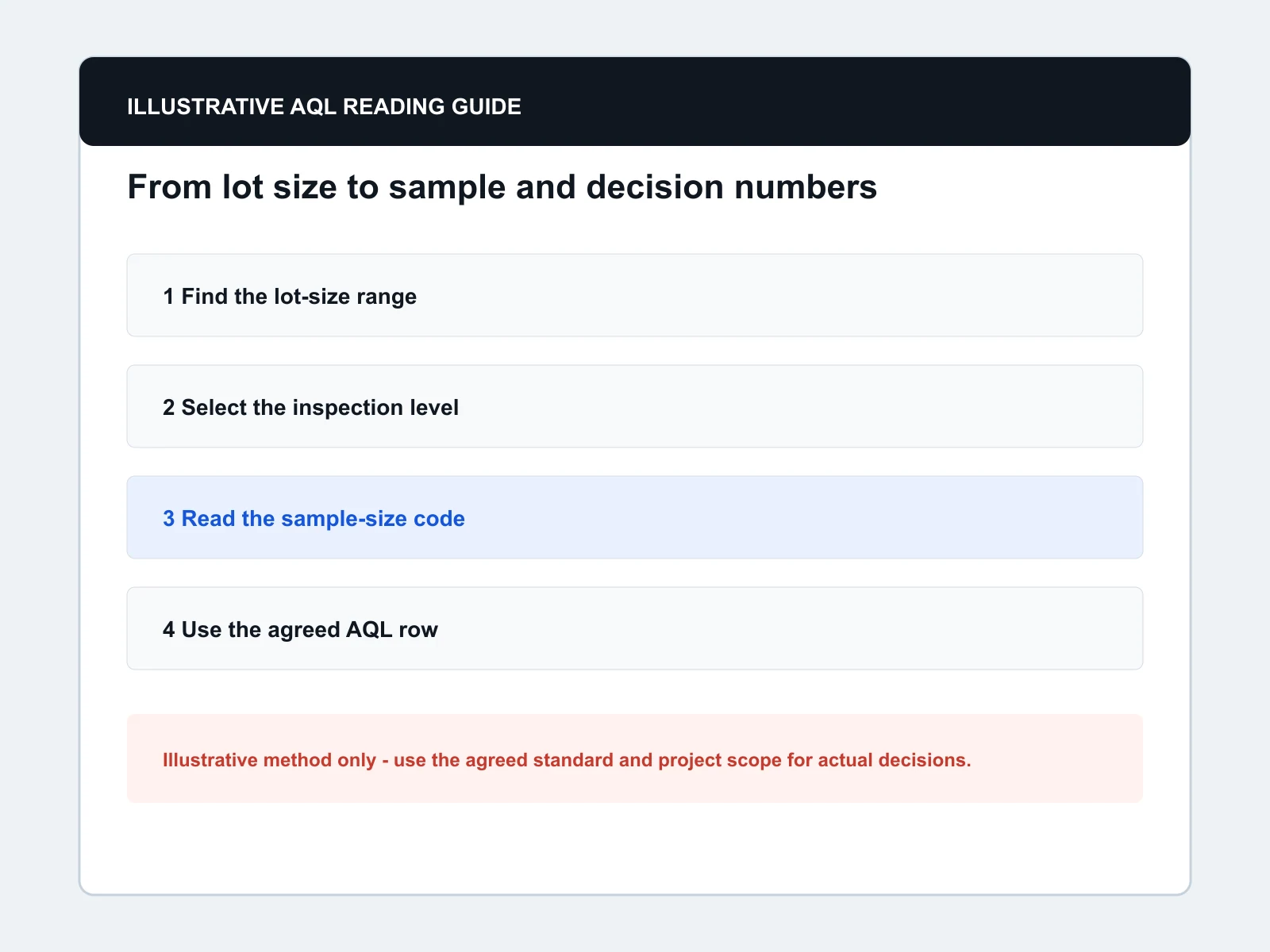
The AQL chart can establish a sample size and acceptance reference. The inspection scope still needs to say what product, packaging, labels, and visible quality points should be checked.
Inspection lens
Before using any chart result, confirm that the lot size, inspection level, defect categories, and buyer-specific requirements are aligned with the actual order.
Business content
A strong inspection page should help the buyer prepare the right files, understand what can be checked on site, and know what kind of report evidence to expect after the visit.
Share product references, supplier city, order stage, packaging files, labels, and the specific decision your team needs to make after the visit.
Focus the visit on what is visible and accessible: product condition, packaging, labels, cartons, handling context, and buyer-defined checkpoints.
Return practical English notes, photos, scan or measurement evidence, and follow-up points without turning observations into certification claims.
Use this page to turn the buyer's order context into a clearer inspection scope, field checklist, and evidence expectation before the visit is booked.
Product photos, listing links, supplier city, order stage, packaging files, labels, carton marks, and timing notes help define a practical scope.
The inspector focuses on accessible product condition, packaging, labels, cartons, handling context, and the buyer-defined evidence priorities.
Plain-English notes, photos, scan or measurement evidence, and follow-up points should connect back to the order decision.
The page should not imply certification, marketplace approval, shipment release, or a guarantee beyond the agreed visible inspection scope.
Evidence before assumptions
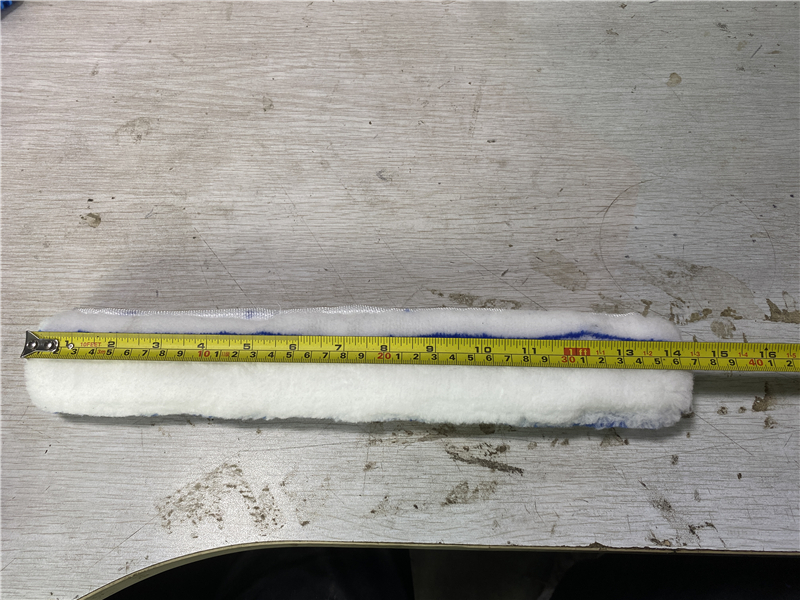
Use product references, supplier context, accessible conditions, and buyer-defined priorities to decide what should be documented on site. Keep observations separate from assumptions, certification claims, or marketplace approval promises.
See how reports and evidence connectWorkflow connection
Share the product, supplier, timing, and questions that define the visit.
Agree what can be reviewed visibly and which requirements are part of the inspection.
Capture accessible product, packaging, label, or field observations.
Use the English record to guide release, correction, follow-up, or the next visit.
Continue the route
Set a sample frame alongside buyer-defined requirements.
→ 02 AQL inspection levels guideChoose a practical sampling level for the order.
→ 03 Pre-shipment checklistPrepare finished-goods, package, label, carton, and evidence checks.
→ 04 English reports and evidenceConnect the inspection visit to a clear record.
→